
The Trees in Every Window
What a few days away taught me about vocation, attention, and unfinished work

There is a peculiar feeling that arrives on the final morning of a retreat.
The suitcase sits open. The refrigerator is nearly empty. The rhythm you have spent days settling into is already beginning to loosen around the edges. One foot remains in the present moment while the other has already started the journey home.
This week I spent three nights alone in the town of Elora by the Grand River in Ontario.
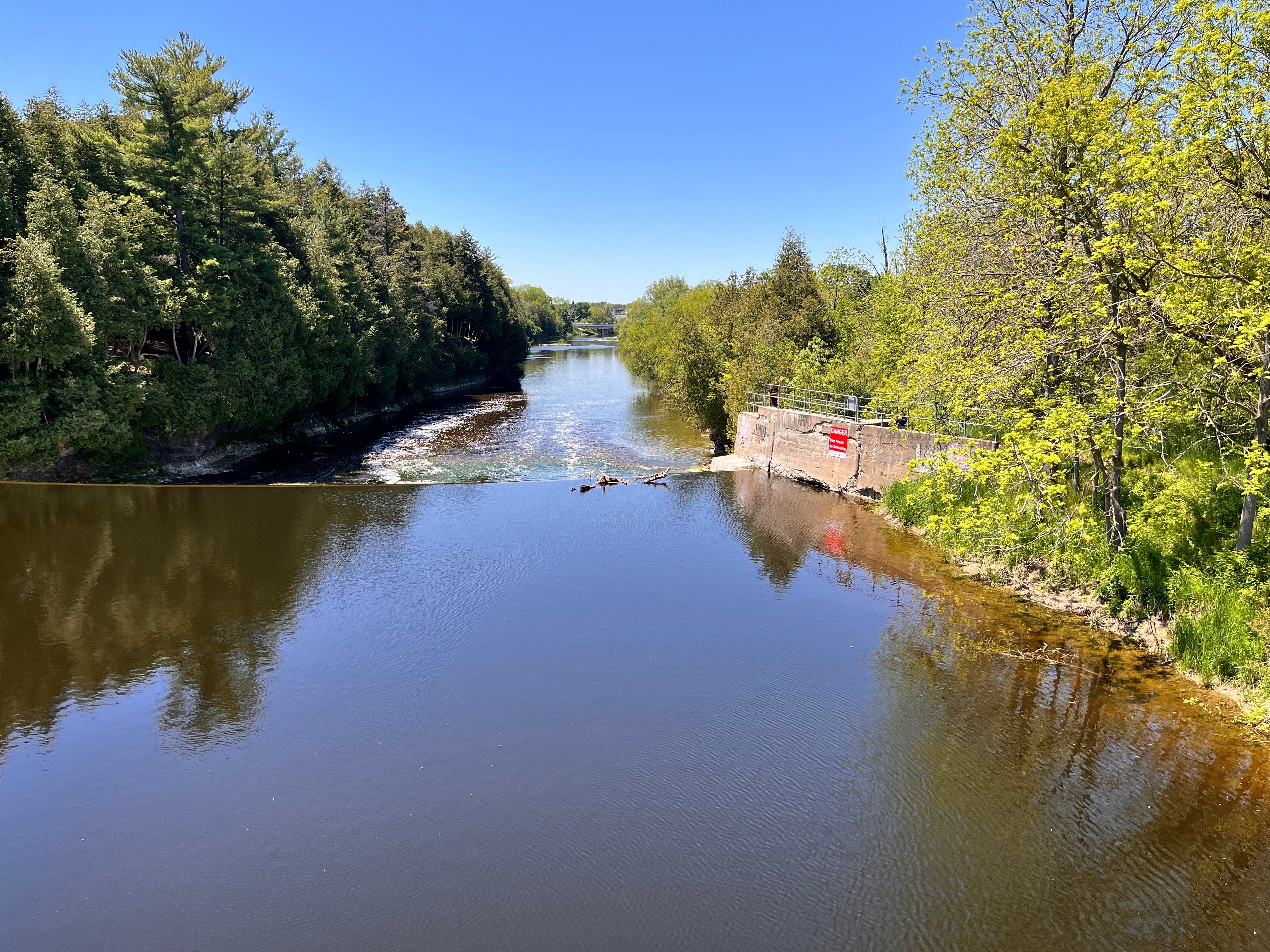
When I first arrived, I wondered if I had made a mistake.
The evening before, I experienced an unexpected sadness. It touched an old wound, one I suspect many of us know: the feeling of standing just outside the circle, looking in.
That feeling followed me on the drive north.
After lunch and an afternoon wandering through town, I arrived at my suite tired and strangely unsettled. I questioned whether I should have come at all. The first day felt like a roller coaster of emotions. One moment I was grateful to be away; the next I wished I were home.
That night I had a good sleep, and something shifted. The next morning, I woke, made my protein tea, sat on the deck, listened to the birds, reflected on Scripture, and opened my journal.

After breakfast, I worked on my novel.
Later I walked the trail along the river, wandered into town for lunch with my journal tucked under my arm, wrote a little more, returned to the suite for another stretch of work, then ventured out again for a walk, some browsing, and a salted caramel gelato.

The following day looked much the same.
And the day after that.
By the second day I had stopped wondering whether I should have come. By the third, I found myself wishing I could stay longer.
What struck me most was not how much writing I accomplished. The work itself was patchy. Some sessions were productive, others less so. What mattered was that I stopped questioning whether I still wanted to write.
For months I have been immersed in a Bible study that has nourished me deeply. The deeper I ventured into Scripture, the more I found myself asking whether God might be calling me in a different direction. Perhaps away from my novel. Perhaps toward something else.
It was not an unreasonable question.
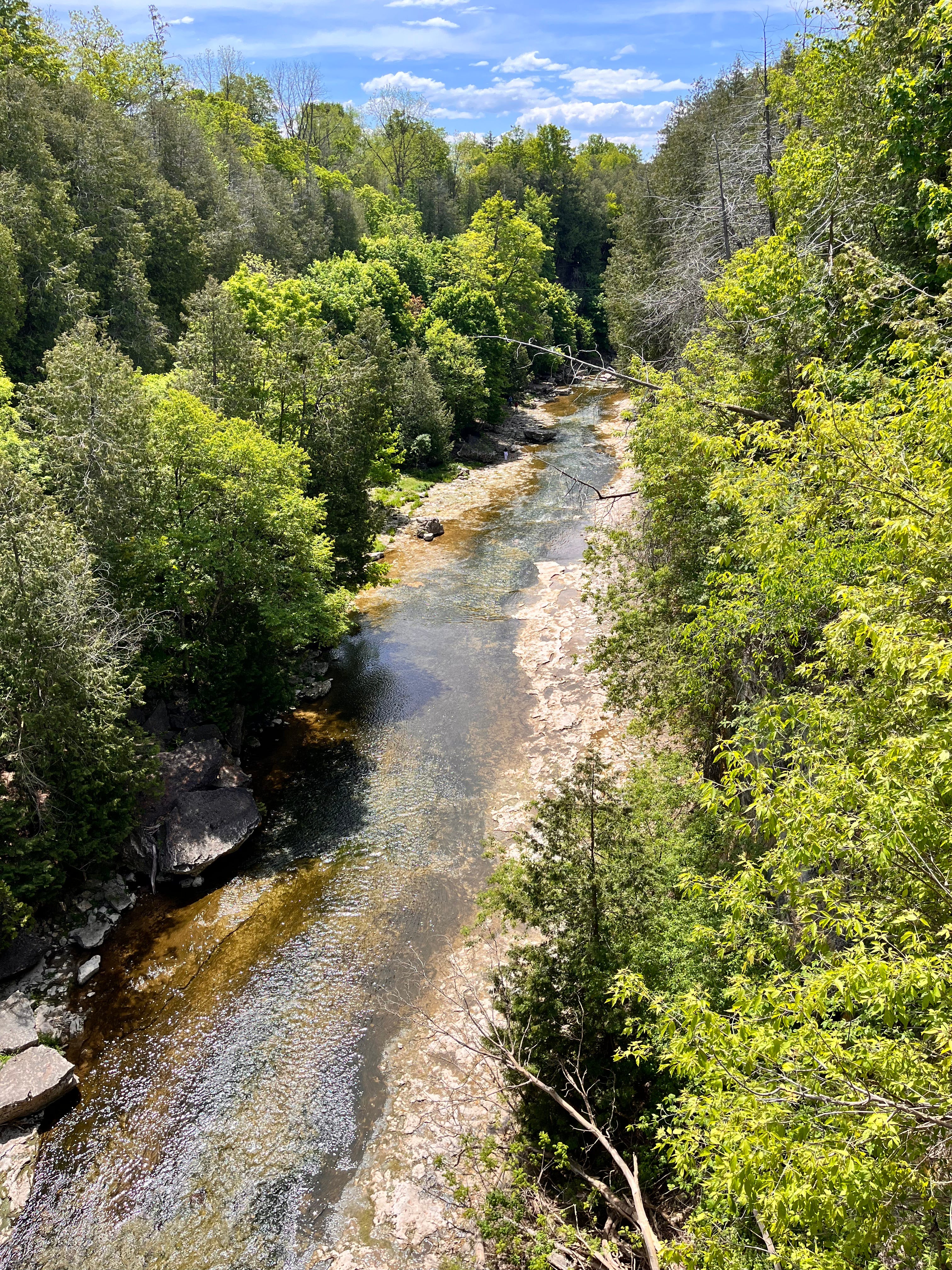
But sitting beside the river this week, something became clear. In the quiet rhythm of these days, I discovered that I did not need to force myself toward the novel. I did not need to convince myself it mattered. I simply sat down and worked.
No internal debate. No wrestling. No bargaining. I just showed up as if there had never been any doubts.
One morning, while journaling on the deck, I watched a small bird move from branch to branch. It seemed almost weightless as it travelled higher through the trees and out across the river.
I felt the contrast immediately. The bird appeared light and free while I felt firmly rooted to the earth, more like the trees. Yet the longer I sat with that image, the more I realized birds fly because they carry almost nothing, whereas trees remain because they are rooted.
For several days I was surrounded by trees. They filled every window. Wherever I looked, there they were—standing quietly, reaching toward the sky, anchored deep beneath the ground.
And perhaps that is closer to my own calling. Not to dart from one possibility to another, but to remain rooted long enough for something to grow.
One afternoon I allowed myself to revisit a dream I had been hesitant to name aloud. Publication. Not fame. Not bestseller lists. Not becoming someone important. Simply the hope that the novel I have carried for so many years might someday find its readers. The desire was still there.
Alive. Waiting.
I found myself imagining what it would mean to finish this book—not merely talk about it, not endlessly revise it, but truly complete it and send it into the world. And for the first time in months, the dream felt less like pressure and more like possibility.
The greatest gift of this retreat was not clarity about the future. It was clarity about the next step.
Finish the novel.
Not because publication is guaranteed. Not because success is assured. But because unfinished work has a way of lingering in the soul. If I abandon this story now, I suspect I will spend years wondering what might have happened had I seen it through.
The final morning arrived with less sleep than I would have liked. Every unfamiliar sound seemed amplified—the plumbing, footsteps, doors closing somewhere. Perhaps it was the double scoop of gelato I’d had. Perhaps it was the awareness that I would soon be leaving. Or perhaps it was simply that I wasn’t quite ready.
As I packed my belongings, I realized I did not need to bring Elora home. I only needed to bring home what Elora had reminded me. Limit the distractions. Put away the phone. Put it on mute. Let Bible study nourish rather than consume the entire morning. Begin writing by 9:30. Walk every day. Eat lunch at the table rather than sinking into the couch. Carry a journal. Look out the window. Listen for birds.
Pay attention. Be present to what is before me.
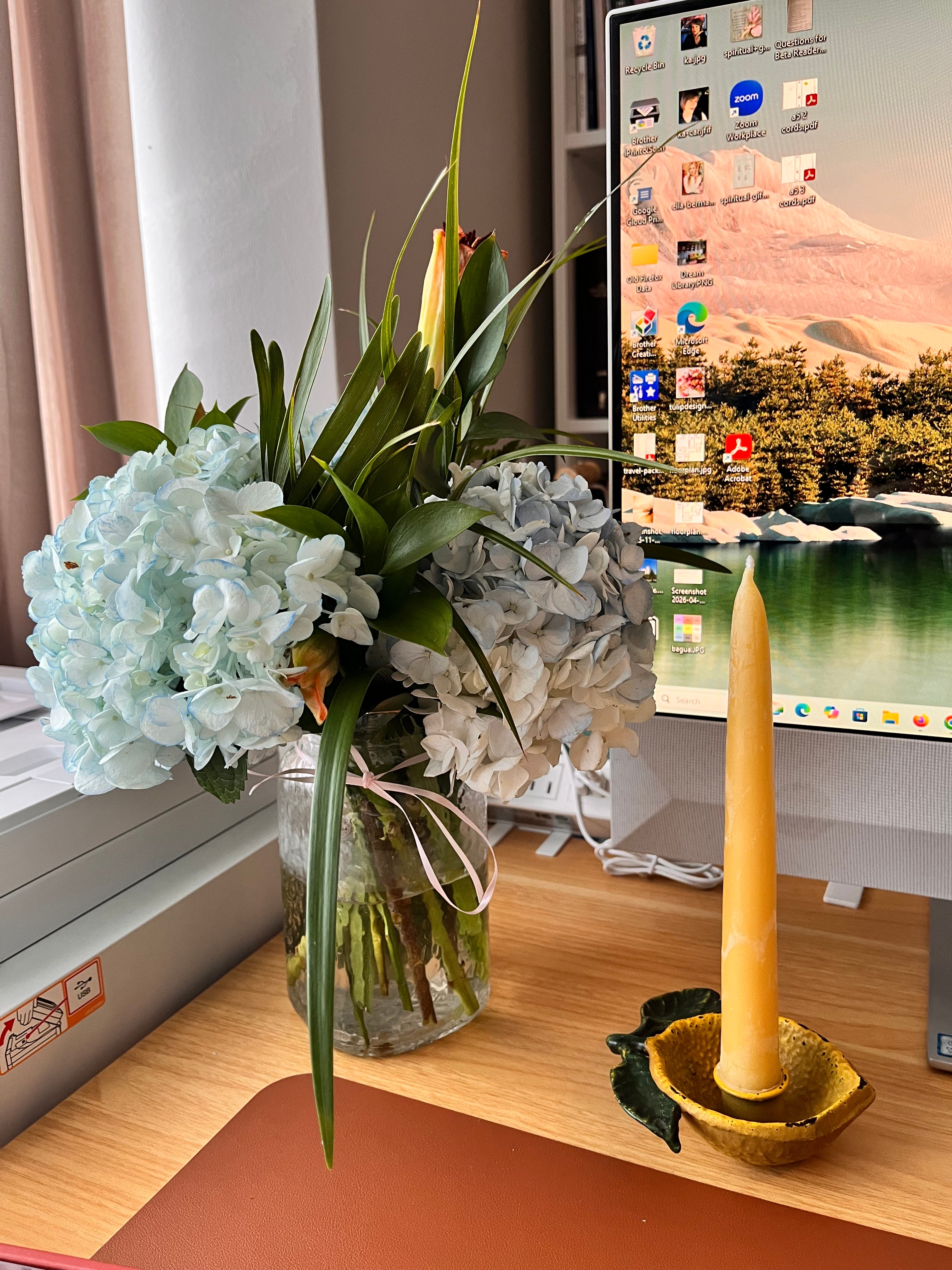
The river will remain in Elora. The trees outside my window will be different. Yet the invitation remains the same. To stop circling the question. To stop waiting for certainty. To live the answer already placed before me.
One page.
One prayer.
One walk.
One chapter at a time.
On that final morning, I sat on the deck for a while looking out at the trees one last time. They had been there in every window throughout my stay, asking nothing of me. They simply stood where they had been planted, rooted and reaching. Perhaps that was the lesson I came here to receive. Not a new calling. Not a dramatic revelation. Simply an invitation to remain where I have been planted, to tend what has been placed in my hands, and to trust that growth often happens quietly, one season at a time.
On my first morning home, I opened my Bible study to Luke 15. The chapter heading in my Study Bible read simply: Master Storyteller.
I laughed when I saw it.
After months spent reflecting on vocation, writing, and whether I still carried the dream of publication, I had somehow overlooked the obvious. Jesus did not merely teach through sermons and commands. Again and again, He reached people through stories.
A shepherd searching for one lost sheep. A woman turning her house upside down to find a single coin. A father watching the road for his son.
The truth arrived not as a theological argument but as a story.
I am not suggesting that my novel carries eternal significance. It does not. But the reminder felt timely nonetheless. Stories matter because they help us see. They invite us to step into another life, another heart, another way of understanding the world.
For someone returning from a writing retreat with a renewed desire to finish a novel, it felt less like a coincidence and more like a gentle nudge.
—Kiernan



These ponderings met me specifically, as you might imagine, and interestingly, the image of trees rooted has come up a few times this week. I'm curious about the Bible study you are doing. Just Scripture, or some additional resource? Also, have you read Reclaiming Quiet by Sarah Clarkson? Lovely writing, as always, Kiernan.